
Blog
3 Tips to Improve Your Chances of Getting Funded – That Have Nothing to Do with the Proposal
Mira Pape · September 14, 2023 · updated November 2, 2024 · 5 min read
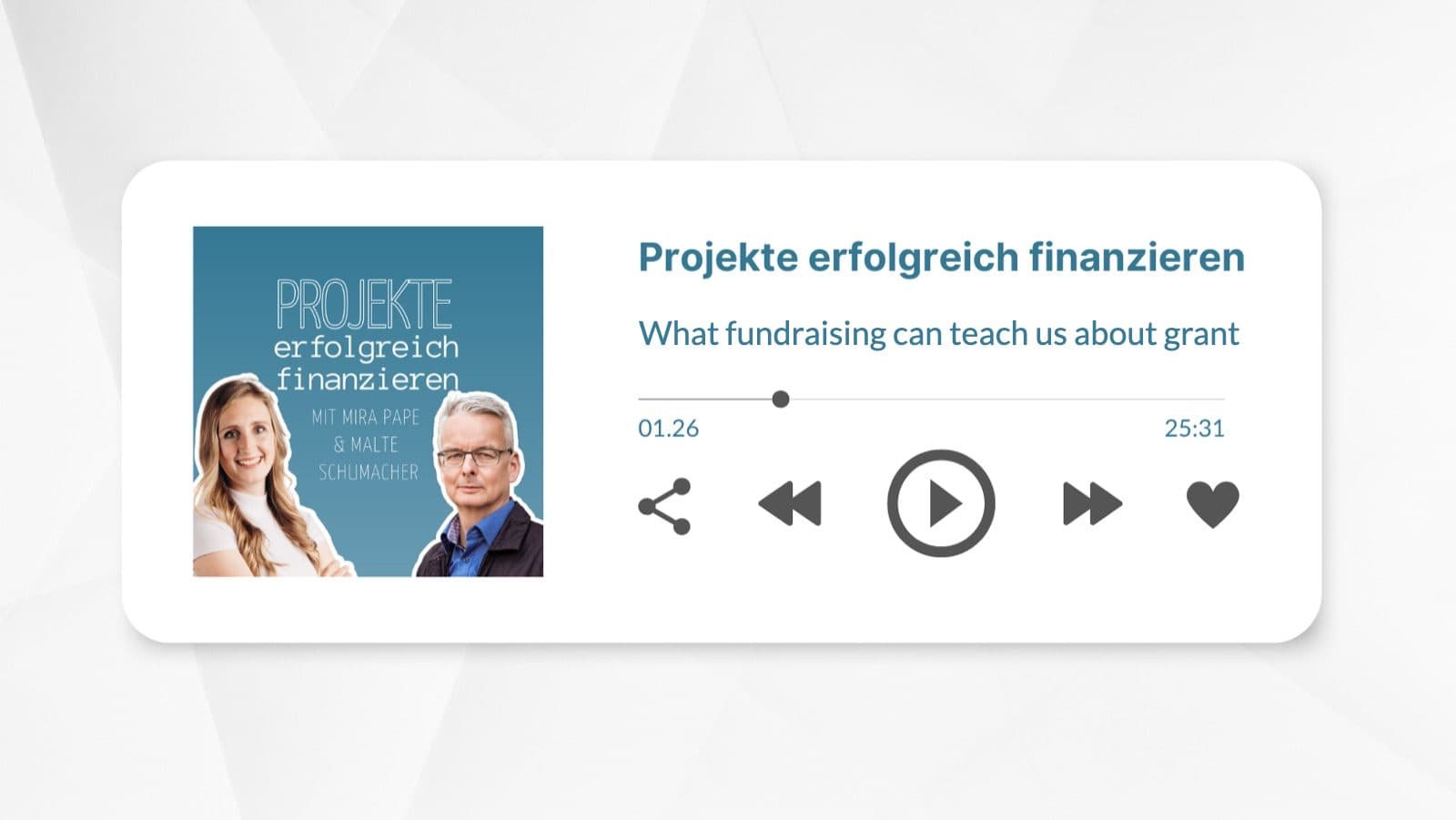
This is the blog post for the podcast episode "Oh, I'll just quickly write a proposal" – What we can learn from fundraising for our grant proposals, with Malte Schumacher. Raising grant funding can be a complex challenge, but with the right strategies and approaches, nonprofits and other organizations can succeed. In this post, philanthropy advisor Malte Schumacher shows us the three most common mistakes in raising grant funding and strategies for successful fundraising in a nonprofit.
🎧 Listen to the podcast episode (in German)
Lack of research: the first stumbling block
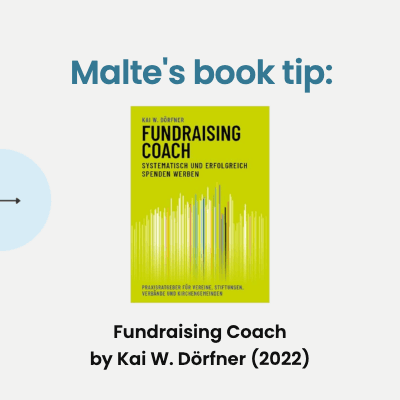
A common mistake in raising grant funding is a lack of research. Before you submit a grant proposal, it's important to research thoroughly which foundations and funding bodies could be a fit for your project in the first place. You should know not only the names of the foundations but also their focus areas, funding criteria and contact people. To get a good insight into fundraising practice, Malte Schumacher recommends Fundraising Magazin (a German trade magazine) and the book "Fundraising Coach" by Kai Dörfner (in German).
Insufficient preparation: getting the start right is crucial
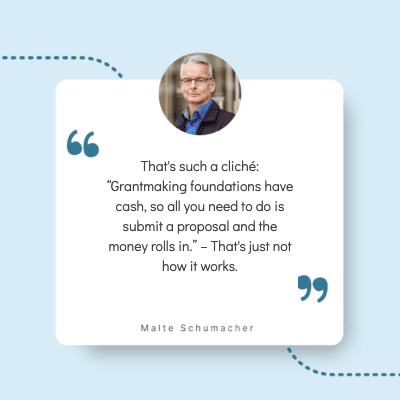
Another mistake is insufficient preparation. Malte Schumacher worked for six years at a classic grantmaking foundation and learned how grantmaking foundations tick. Above all, though, he also noticed and learned how the people looking for financial support tick. And he noticed that many of them weren't prepared at all. "They hadn't done any research. And that really stuck with me." He thinks many people act on the motto "Grantmaking foundations have cash, so all you need to do is submit a proposal and the money rolls in." So, to stand out from the crowd, it helps to prepare well. You should be able to present your organization and your goal convincingly within two minutes, and you should also learn about the foundation, its funding goals and its application process.
No direct contact: building personal relationships
Another mistake is to sit down, write a proposal, drop it in the mail and wait for it to be approved. Because an important step in between is missing. Before you submit a grant proposal, you should get in touch by phone and find out whether the foundation is the right one for your project. These days, it seems you can find everything online. But pages may be out of date, or a foundation may have moved on long ago and not yet had time to reflect that properly on its website. Or the funding pot for this year may already be used up.
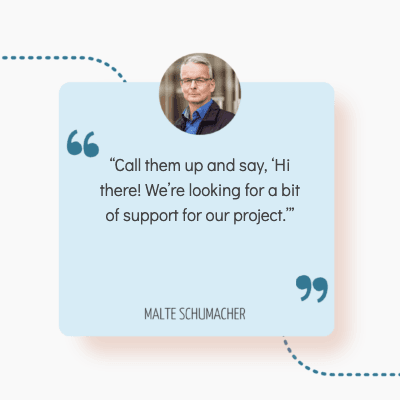
Malte Schumacher's tip: "Call the foundation and say, 'Hi there. We're looking for a bit of support for our project. We're doing this for the first time…'" Then let the person on the phone explain what the foundation has in mind, how it works, when decisions on proposals are made, and above all, of course, what its focus areas are and what it likes to support. And which projects it might even be looking for. Feel free to play a little dumb here and ask lots of questions. Based on the call, you can then decide whether your project is a good fit for the foundation or whether you should develop a different project.
Direct contact lets you clarify questions, get first-hand information and build a personal relationship with funders. Funders can also help you frame your project better and may suggest improvements. Preparing well with a call helps you use your time and resources efficiently and avoid unnecessary rejections.
Malte Schumacher also shares three strategies for long-term success in raising grant funding:
1. A fundraising working group: stronger together
One successful approach to raising grant funding is to form a fundraising working group within your organization. In this group, you can collect ideas, identify potential funding opportunities and coordinate proposals. It's also important to keep up the coordination and relationship-building with funders. Regular exchange and communication are key to winning funders' trust and building long-term relationships.
2. A professional image and compelling public relations
A well-organized, strategic approach to public relations also matters. Organizations should come across as professional and well organized. A well-designed website with compelling stories, pictures and information about the organization is the most important element of public relations. Organizations should also involve their members to find potential supporters. For example, you can ask your members about their professional roles and connections and ask them to help you reach potential funders.
3. Short, compelling storytelling: the art of persuasion
When it comes to persuading people, short and compelling storytelling is crucial. Instead of writing long texts, organizations should rely on short texts and visual elements such as videos and pictures. With good preparation and concepts such as the elevator pitch and the Golden Circle ("Why", not "What"), organizations can get potential supporters excited about their project. Personal motivations and the story of how the organization came to be are often more exciting and convincing than facts and figures.
Conclusion
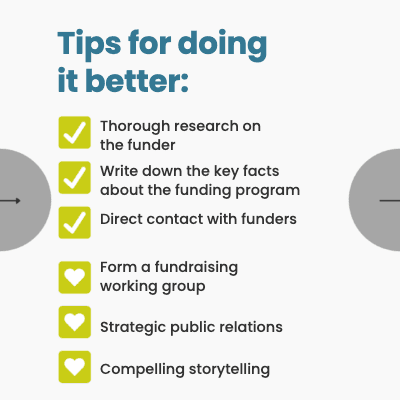
In summary, thorough research, good preparation, direct contact with funders, a fundraising working group, a well-organized and strategic public image, and compelling storytelling are key success factors in raising grant funding. By avoiding these mistakes and applying these strategies, you can significantly increase your chances of securing grant funding.